Choosing the right structural protective covering for a property is one of the most critical decisions a property owner can make. The boundary between indoor comfort and the external environment relies entirely on this overhead barrier. Property owners often find themselves deciding between two prominent design options: low-slope systems and traditional overlapping pieces. While aesthetic preferences and architectural styles certainly influence this decision, regional weather patterns should always remain the primary driving force. Regional weather conditions, including heavy rainfall, intense summer heat, freezing winter snow, and powerful wind gusts, place distinct operational demands on different materials. Navigating these choices requires deep professional insight to ensure long-term structural integrity, optimal energy management, and absolute safety. Understanding how these systems perform under environmental pressure can help property owners make an informed choice that keeps their investments safe and dry through every season of the year. Making the wrong choice can lead to recurring maintenance expenses, premature failure, and structural degradation that diminishes property value. It is vital to recognize that the choice of material affects not only protection but also home energy budgets and utility bills over decades.
Evaluating Climate Factors for Material Selection
Every geographical region presents a unique set of atmospheric challenges that directly impact the exterior components of a home or commercial building. In areas prone to heavy winter snowfall, the weight of accumulation demands a structural design that can either shed the load quickly or support it without compromising structural integrity. Conversely, regions experiencing intense, year-round sunshine require surfaces that can deflect solar radiation and resist thermal degradation. Moisture levels, humidity, and frequency of storms also play a massive role in how materials age and perform over time. A certified roofer can evaluate these regional patterns to determine which design configuration offers the highest level of protection. By analyzing long-term local weather trends, property owners can avoid premature system failures and ensure their selected material is perfectly matched to the unique environmental demands of their geographical area, protecting their family and belongings. Professional assessments help pinpoint microclimatic factors, such as local wind tunnels or high humidity pockets, that might otherwise be overlooked during the initial planning phases.
Understanding Flat Roof Dynamics in Wet Weather
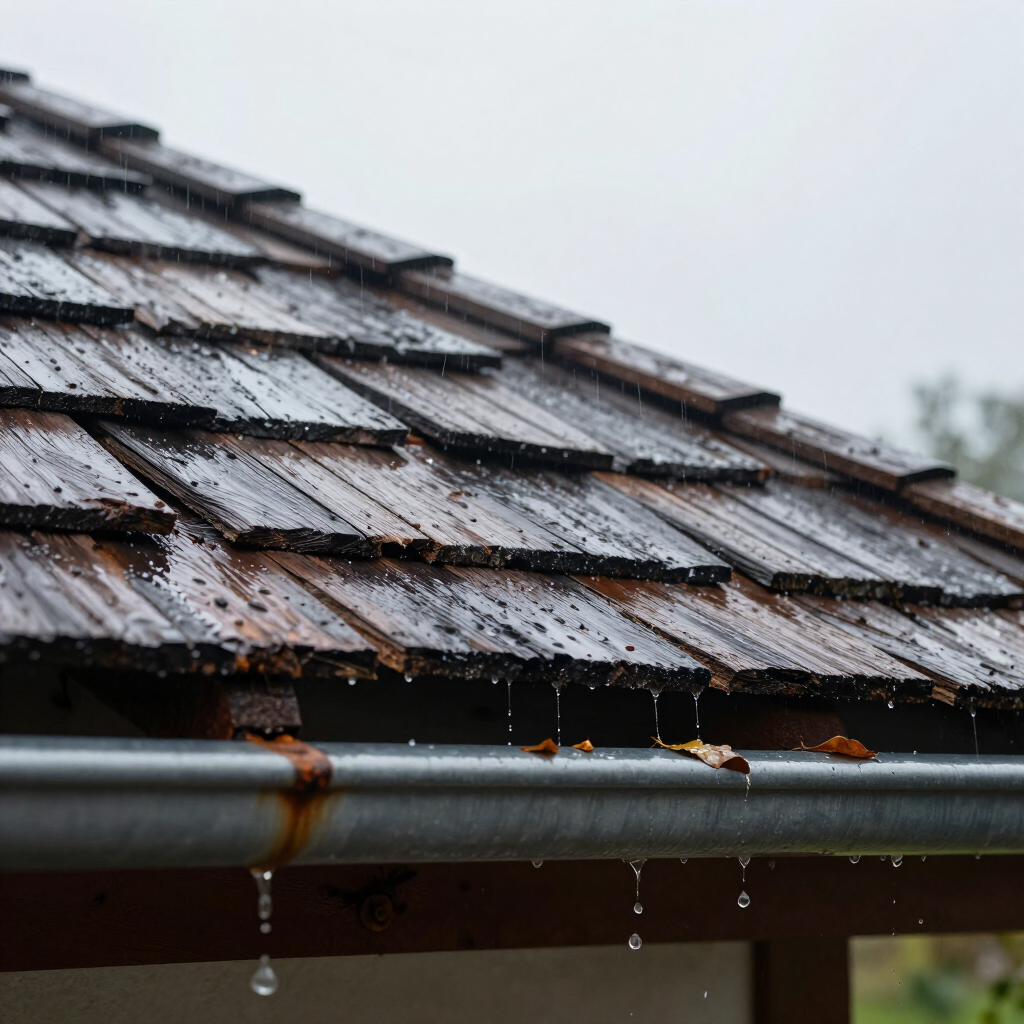
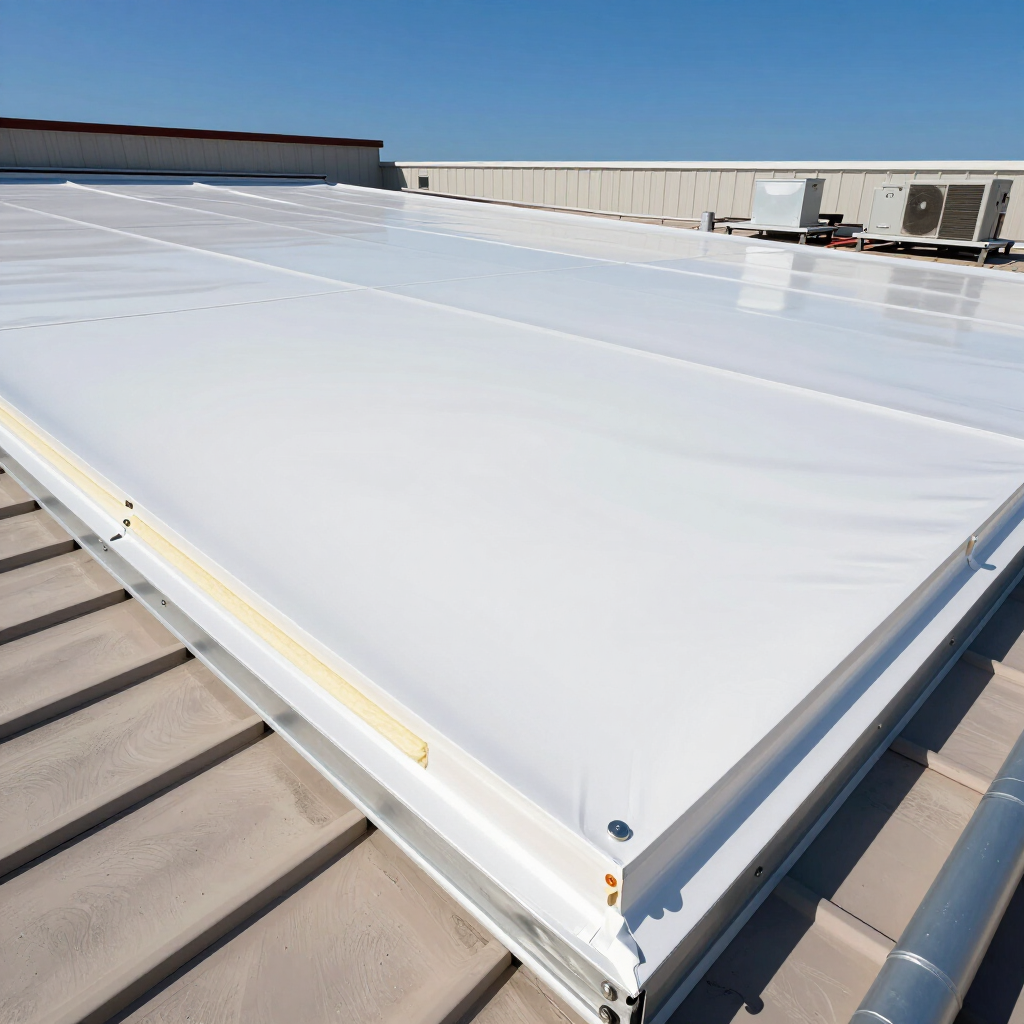
Low-slope or level overhead systems are highly popular in modern architectural designs and commercial properties due to their sleek appearance, minimalist aesthetic, and efficient space utilization. However, managing water drainage is a primary consideration for these configurations, especially in regions that experience frequent or heavy downpours. Unlike sloped designs that naturally shed water using gravity, level surfaces rely on specialized internal drains, scuppers, and tapered insulation systems to direct water toward drainage points. When properly installed by an experienced roofer, modern waterproof membranes provide seamless protection against ponding water. In arid or semi-arid environments, these systems perform exceptionally well, offering easy access for maintenance and equipment installation. However, in areas with relentless rain or heavy winter ice dams, property owners must remain vigilant about keeping drainage pathways completely clear to prevent structural pooling and long-term moisture penetration. Regular clearance of organic debris is absolutely vital to avoid pooling.
Assessing Shingle Performance in High Winds
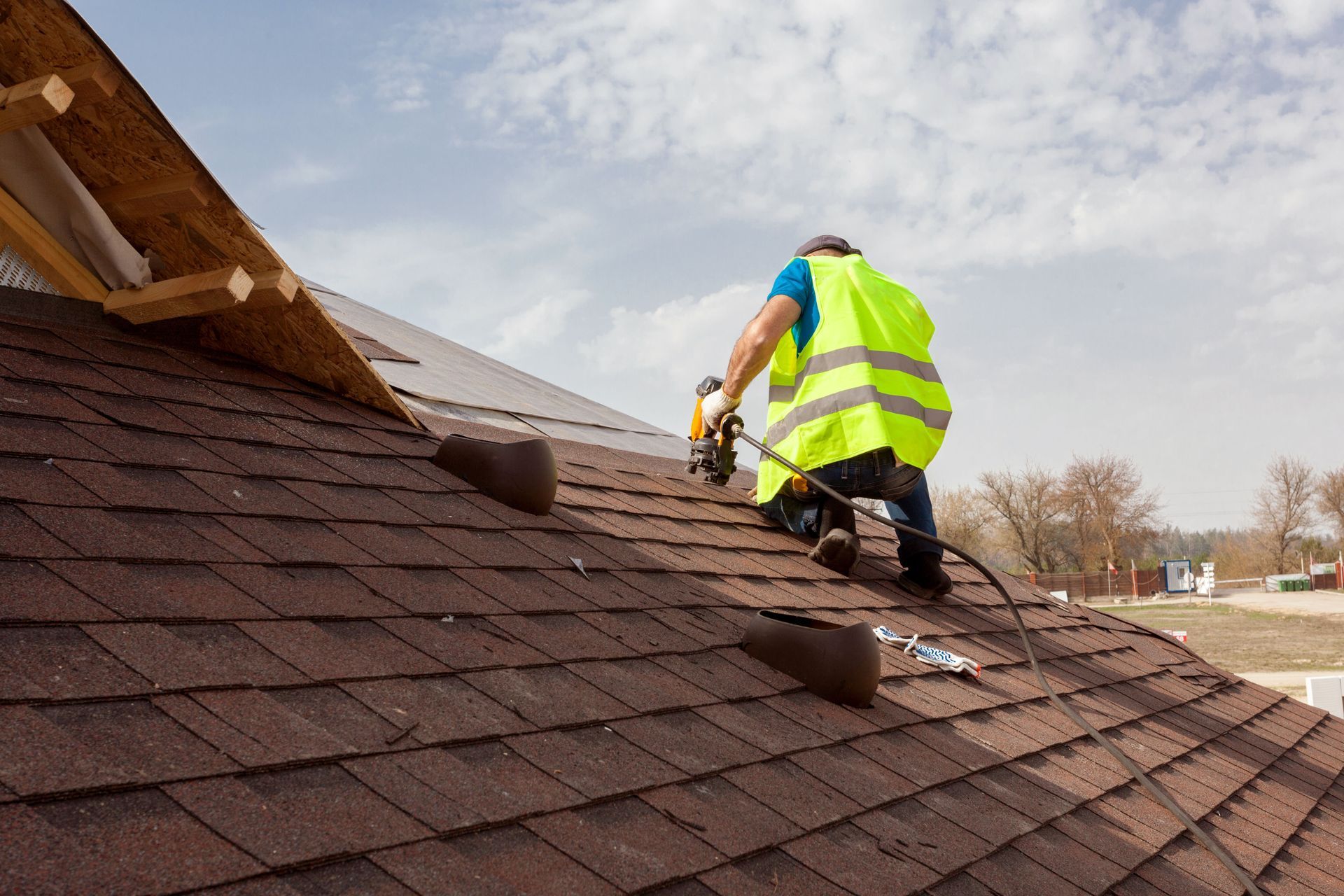
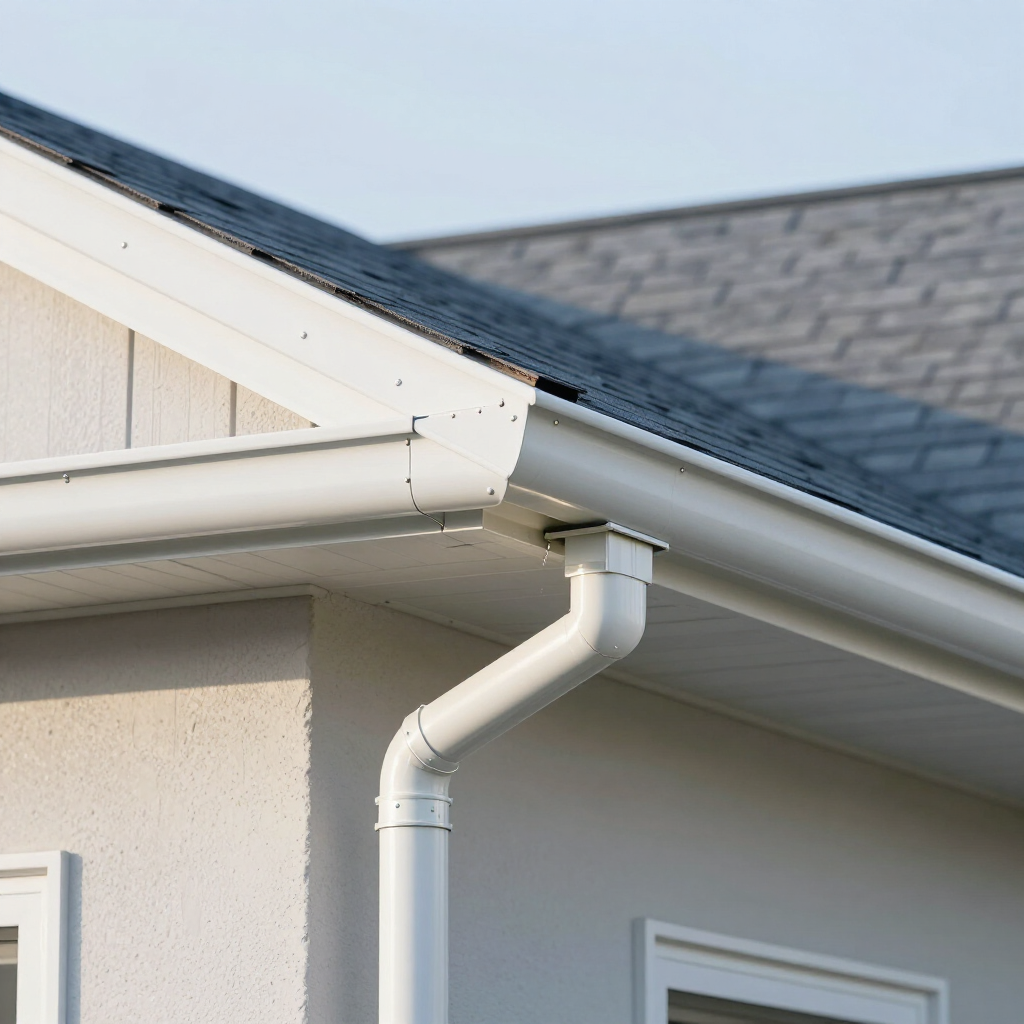
Traditional overlapping architectural pieces remain the standard option for residential properties across the country, largely due to their excellent shedding capabilities and classic visual appeal. In regions prone to severe windstorms, tornadoes, or coastal gales, the aerodynamic performance of these materials is a critical factor. High winds can create significant uplift forces, potentially loosening individual elements if they are not securely fastened down to the underlying deck. Manufacturers design modern composite options to resist specific wind velocities, but the success of the system depends heavily on meticulous attachment protocols. A knowledgeable roofer understands how to apply specialized starter strips and precise fastening techniques to maximize wind resistance. For homes located in open, storm-prone plains or coastal bluffs, a steeply pitched sloped design outfitted with high-quality interlocking components offers superior wind deflection and prevents water from being driven underneath the protective layers. This systematic defense is essential for preventing structural damage during seasonal storms.
Comparing Thermal Control and Insulation Efficiency
The intense heat of summer can transform an overhead structure into a massive radiator, transferring unwanted warmth down into the living spaces below and driving up cooling costs. Traditional dark surfaces absorb an immense amount of solar radiation, creating a drastic temperature differential between the exterior surface and the ambient air. According to This Old House, cool-roof shingles help lower that difference to as little as five to 10 degrees by using granules coated with a highly reflective pigment. This specialized technology reflects solar energy back into the atmosphere rather than absorbing it into the attic space. Level systems approach thermal control differently, often utilizing thick layers of rigid insulation installed directly beneath a highly reflective white membrane. Discussing these energy-saving technologies with a local roofer allows property owners to select a system that mitigates regional temperature extremes and optimizes year-round indoor climate management. Reduced thermodynamic transfer translates directly into less mechanical strain on residential air conditioning units.
Analyzing Lifespan Expectations Under Extreme Conditions
The longevity of an overhead structure is directly linked to the environmental stressors it encounters throughout its operational life. Extreme temperature fluctuations can cause materials to expand and contract rapidly, a process known as thermal shock, which can lead to cracking, splitting, or premature aging. Level membrane systems are highly resilient against uniform temperature changes but can suffer if standing water is exposed to repeated freezing and thawing cycles. On the other hand, traditional individual composite elements can experience granule loss and brittleness when subjected to decades of intense solar exposure and UV radiation. Property owners must weigh these long-term durability factors against their regional weather realities. Consulting a professional roofer helps clarify how different materials hold up over time in your specific area, ensuring that your long-term investment yields the maximum possible lifespan with minimal emergency repair requirements. Understanding these continuous degradation patterns allows for better long-term capital improvement planning.
Selecting Professional Installation and Maintenance Partners
Regardless of whether a property owner chooses a low-slope membrane or traditional overlapping elements, the ultimate success of the system depends on the caliber of workmanship during the installation process. Each system requires distinct tools, safety protocols, and technical expertise to execute correctly. Level surfaces demand precise seam welding and flashing detail work around penetrations, while sloped surfaces require flawless underlayment integration and exact component alignment. Partnering with a licensed and insured
roofer guarantees that manufacturer specifications are strictly met, preserving valuable warranty protections. Furthermore, establishing a consistent seasonal inspection routine ensures that minor environmental wear, such as loose flashings or minor punctures, is addressed before escalating into costly internal water damage.
At CSY Roofing, we understand that selecting the ideal overhead system for your property involves balancing personal style, budget considerations, and regional weather realities. Our team of dedicated professionals possesses the specialized knowledge and field experience necessary to evaluate your specific property layout and recommend the most durable, energy-efficient solutions for our local climate. We take immense pride in delivering exceptional workmanship, transparent project communication, and reliable protection that stands up to the elements year after year. Whether you are considering a modern flat system upgrade or a traditional high-performance sloped installation, we are committed to securing your home with premium materials and unmatched technical precision. Contact our office today to schedule a comprehensive property assessment and let us help you optimize your structural protection for maximum comfort and long-term value.