
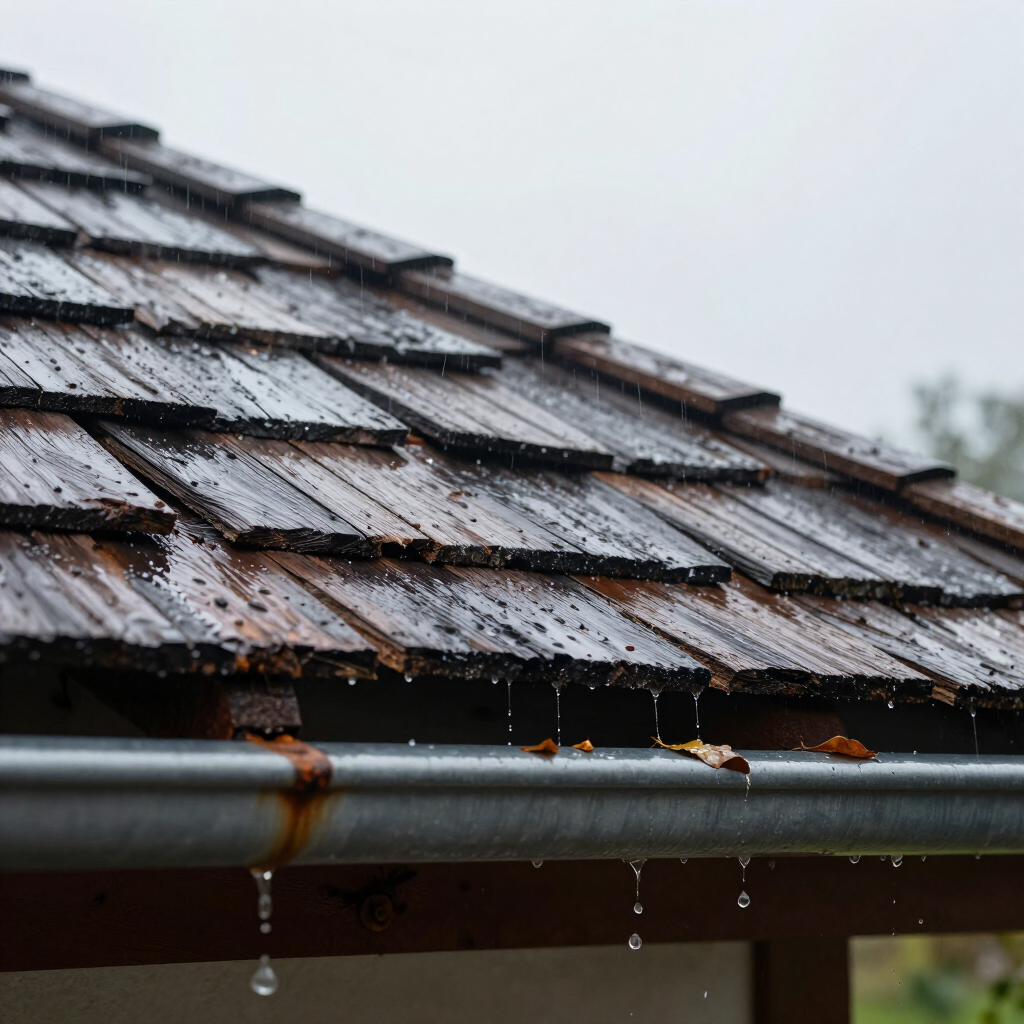
How does a temporary solution to a leaking roof affect your roofing system? A temporary solution can reduce immediate water entry and limit additional damage, but it does not restore the roofing system or correct the cause of the leak. Roofing cement, compatible sealant, or roofing tape may provide short-term protection for a small opening while a permanent roof repair is evaluated and scheduled.
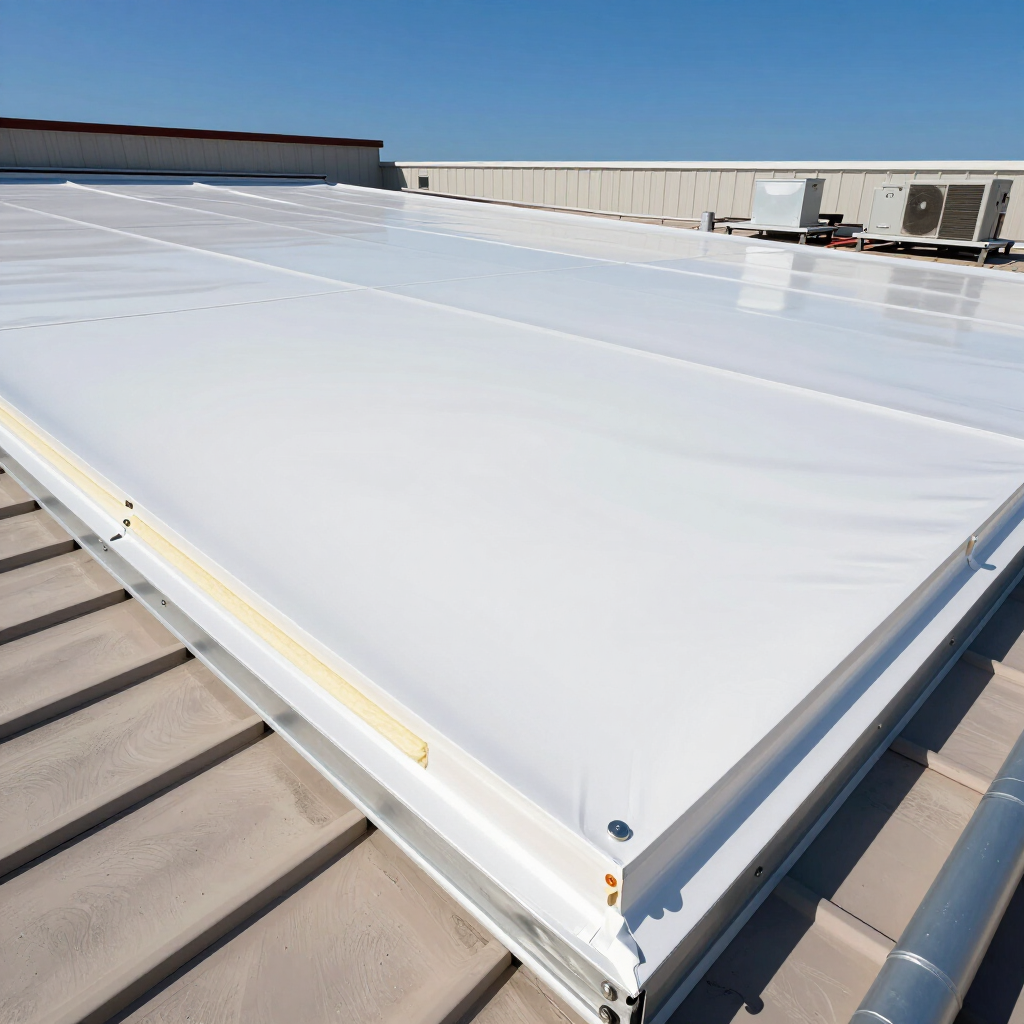
What is the life expectancy of a TPO roof? A standard Thermoplastic Polyolefin (TPO) roof typically lasts between 15 and 30 years. Its actual lifespan depends on the quality of the materials, installation, and ongoing maintenance. Regular inspections and timely repairs can help maximize its lifespan. For commercial properties in Rush County, Indiana, proper maintenance can help keep a TPO roofing system performing as expected.
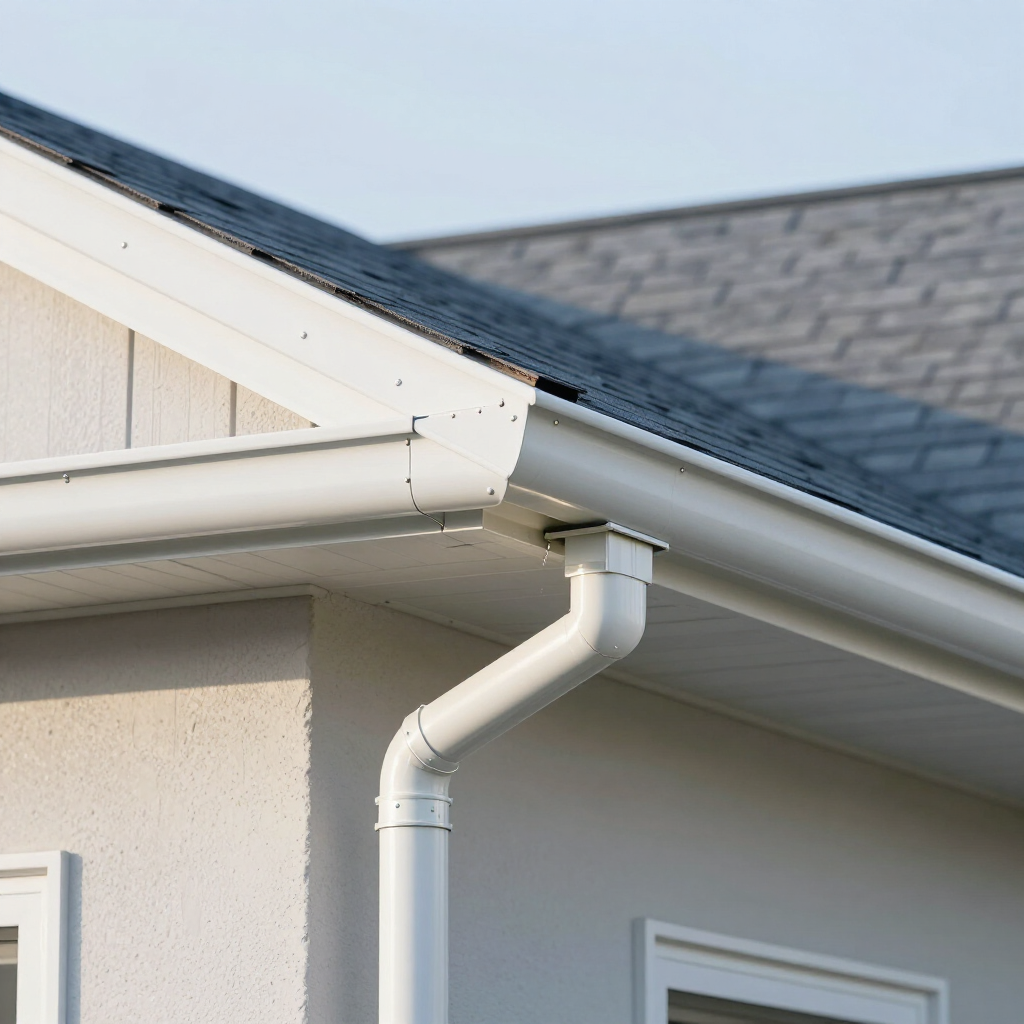
Proper gutter installation involves much more than attaching gutters to a roof. Correct slope, secure hanger spacing, appropriate sizing, and directing rainwater away from the foundation all work together to help the system manage rainwater effectively. Avoiding these common mistakes can improve the overall performance
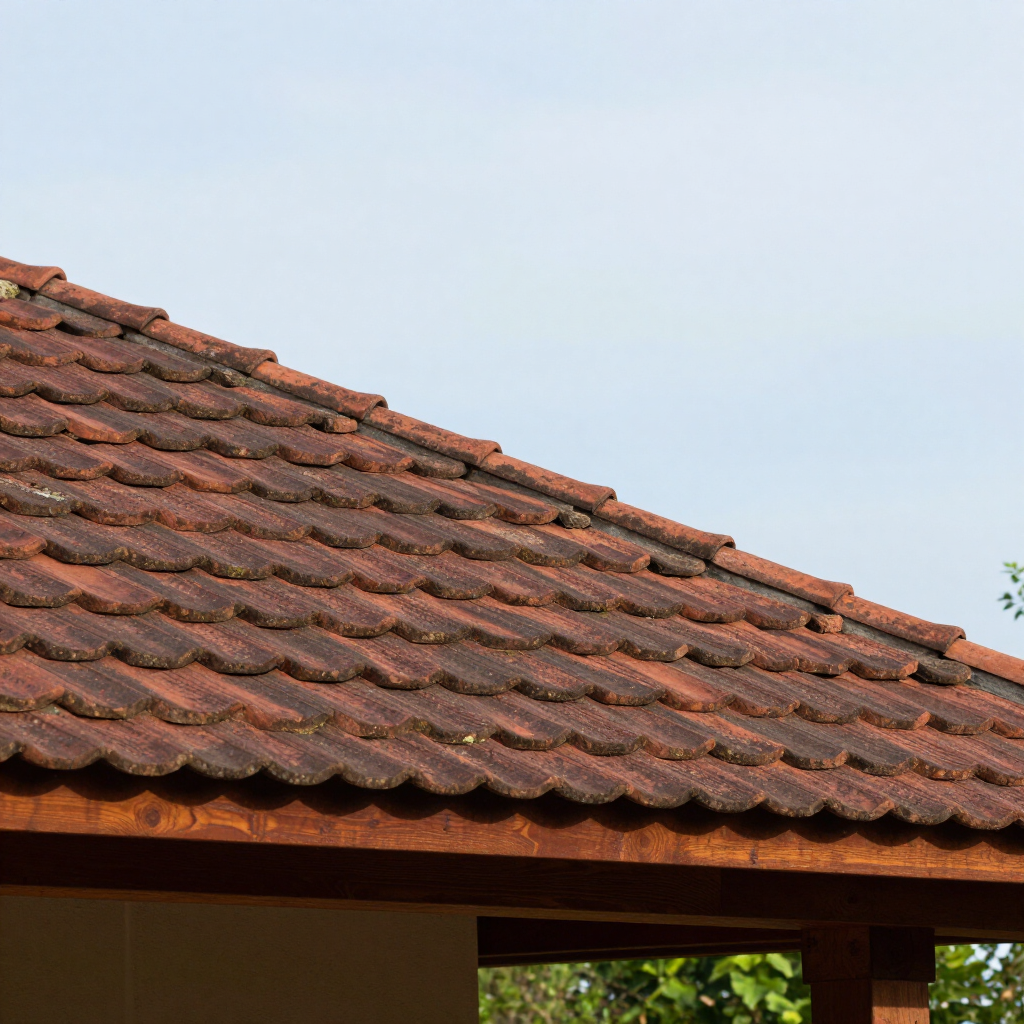
What is the average lifespan of a roof? The average lifespan of a roof is typically 15 to 30 years, although the actual lifespan depends heavily on the roofing material, installation quality, local weather conditions, and how well the roof is maintained. Regular inspections and timely roof repairs can help maximize the life of your roofing system and identify issues before they become more serious.
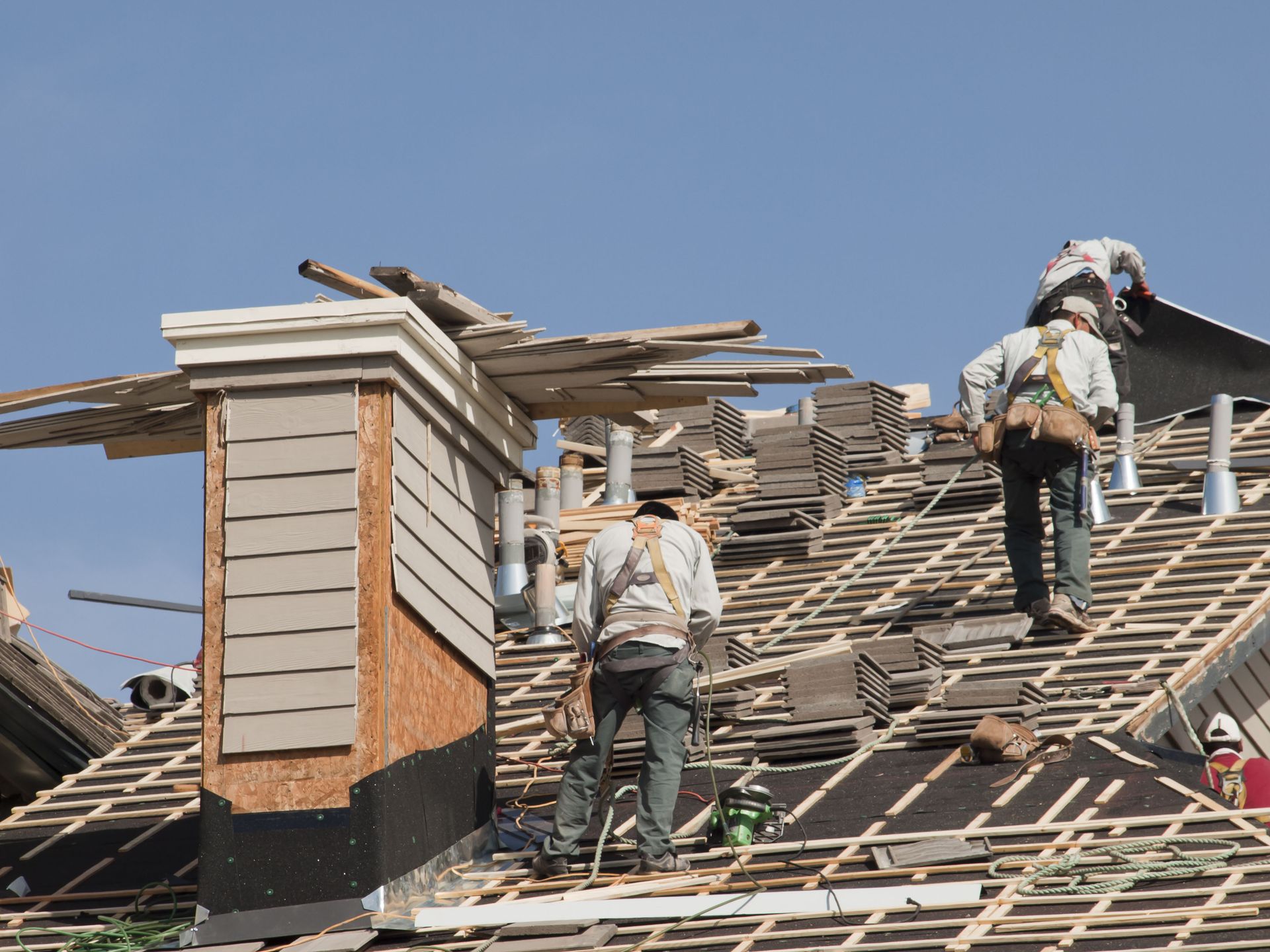
Replace your roof with confidence. CSY Roofing explains the roof replacement process, timelines, and what to expect—contact us today to get started.
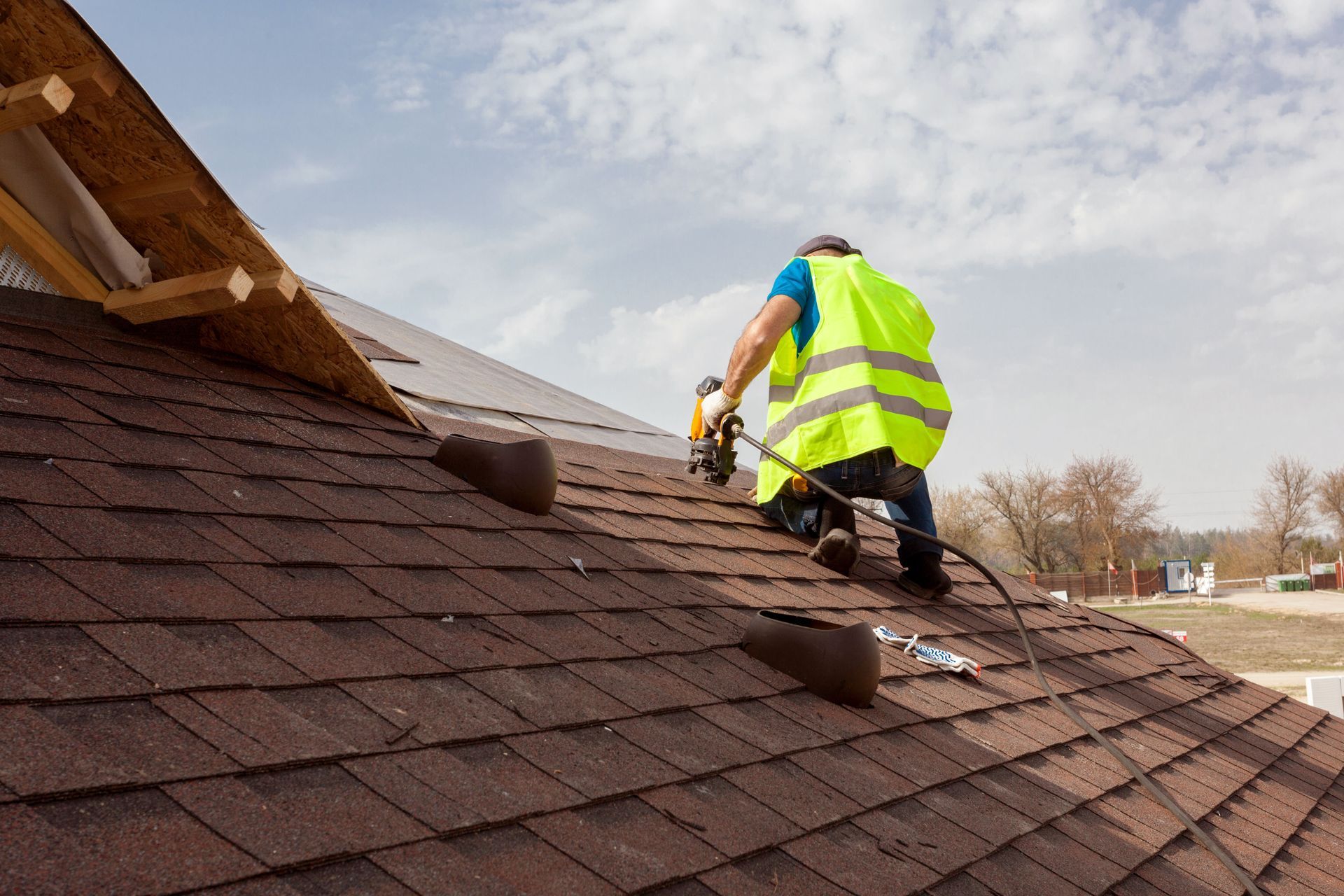
This is not always true. While some straightforward roofing projects may be completed in one day, many factors influence the schedule. Roof complexity, weather conditions, tear-off requirements, and repairs can all extend the timeline. Each roofing project should be evaluated individually rather than assuming a fixed c
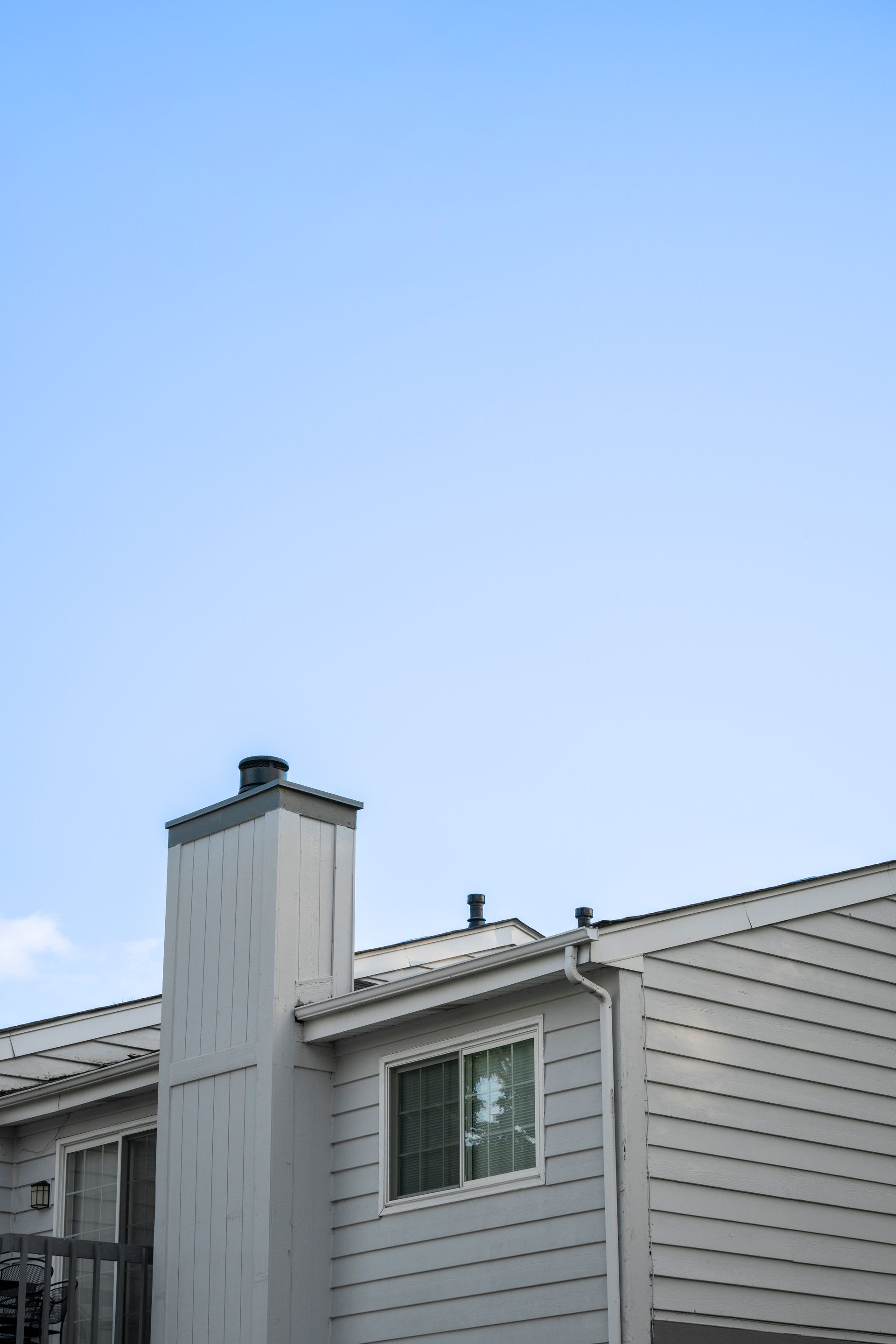
Should I put gutters around the whole house? Yes, you generally should have gutters all around your house. A continuous gutter system helps direct rainwater away from the foundation, siding, landscaping, and other exterior surfaces. Full gutter coverage provides more consistent water management and can help reduce moisture-related issues around the home.
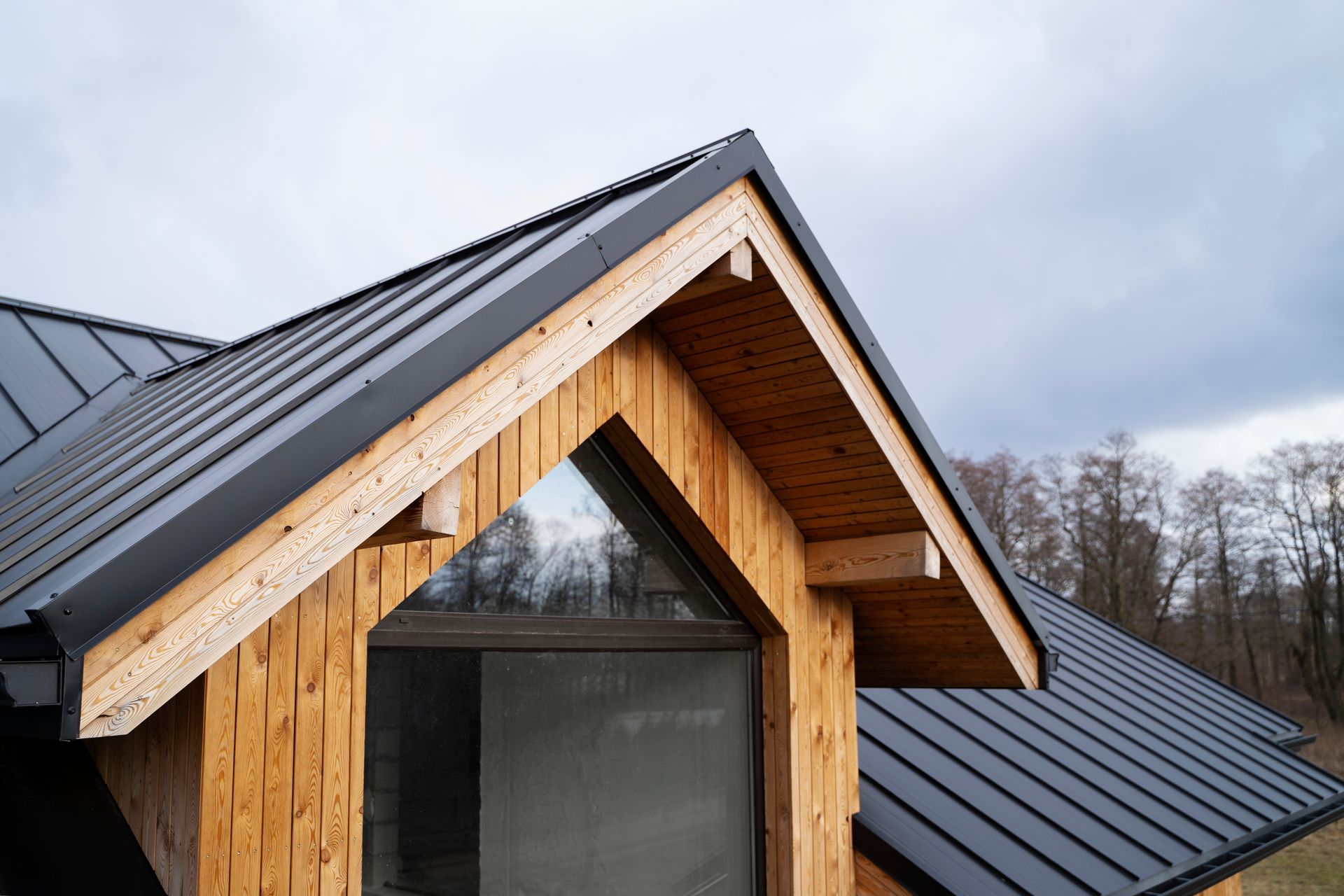
Flat roof or shingles? Find out what an expert roofer recommends for your specific climate to ensure maximum durability and protect your home.
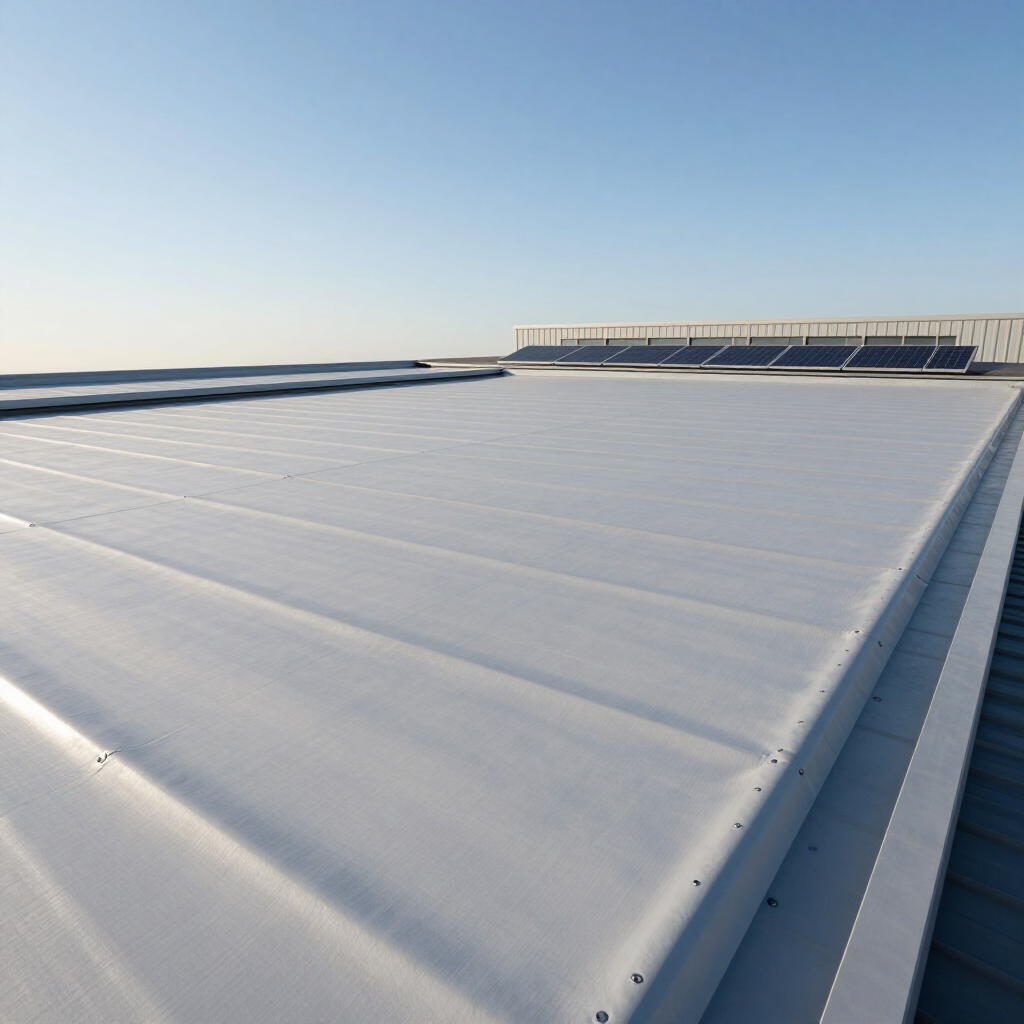
Can TPO roofing be installed over an existing roof?

Do flat roofs need to be replaced more often? Yes, flat roofs generally need to be replaced more often than many sloped roofing systems. Most flat roofing materials have an expected lifespan of about 15 to 30 years, depending on the material, installation quality, maintenance, and weather exposure. Regular inspections and timely repairs can help extend the life of a flat roof in Decatur County, Indiana.