Typical Lifespan of a Temporary Roof Patch
Temporary roof patches are designed to control active water entry while a permanent solution is planned. Some emergency tarps may protect a damaged area for several weeks when they are securely installed and weather remains moderate. Roofing cement, compatible sealant, reinforced patch material, or roofing tape may last longer on a small, properly prepared area, sometimes reaching several months.
A patch can fail much sooner when the surface is wet, dirty, loose, deteriorated, or incompatible with the repair material. Strong wind can lift edges, ultraviolet exposure can age temporary products, and repeated expansion and contraction can create cracks or gaps. A patch placed over a moving seam or damaged substrate may lose adhesion even when the material itself appears intact.
The safest assumption is that the patch is temporary from the day it is installed.
What Determines How Long a Patch Performs
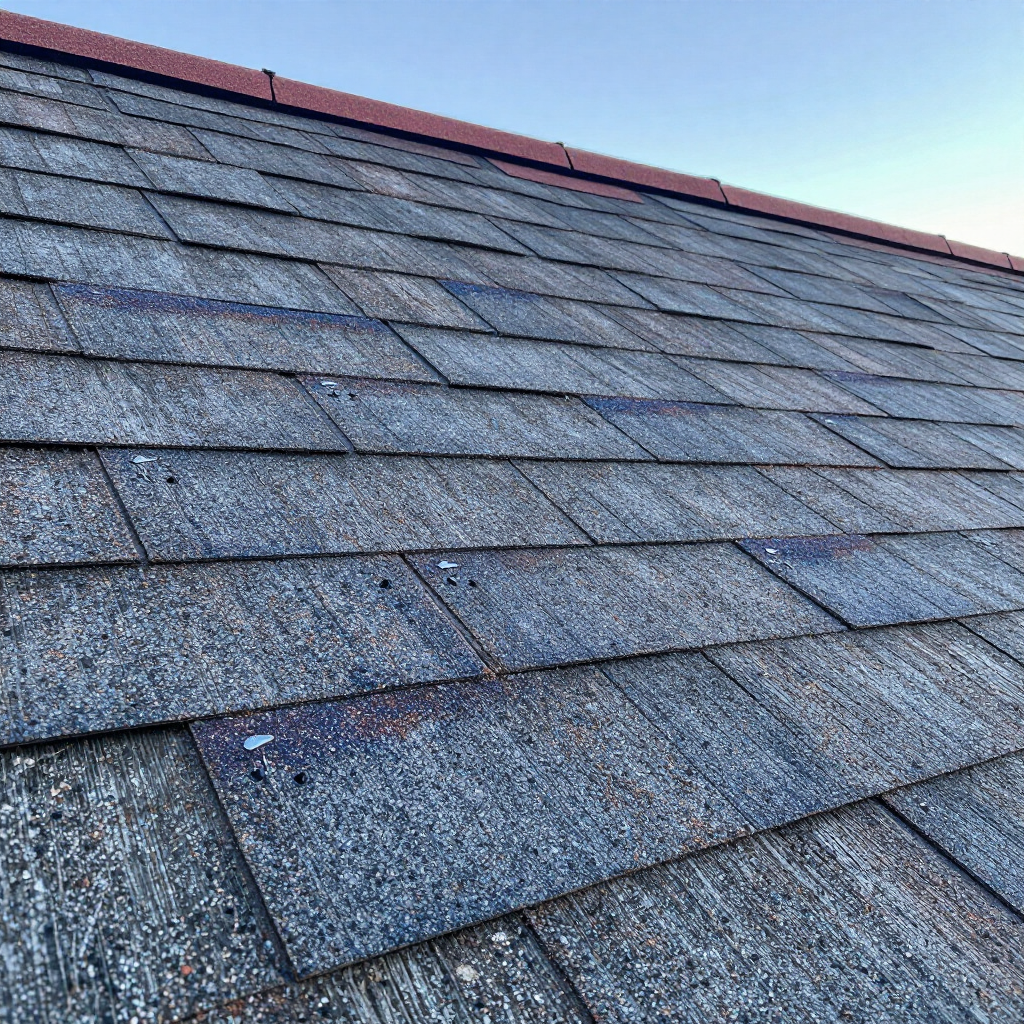
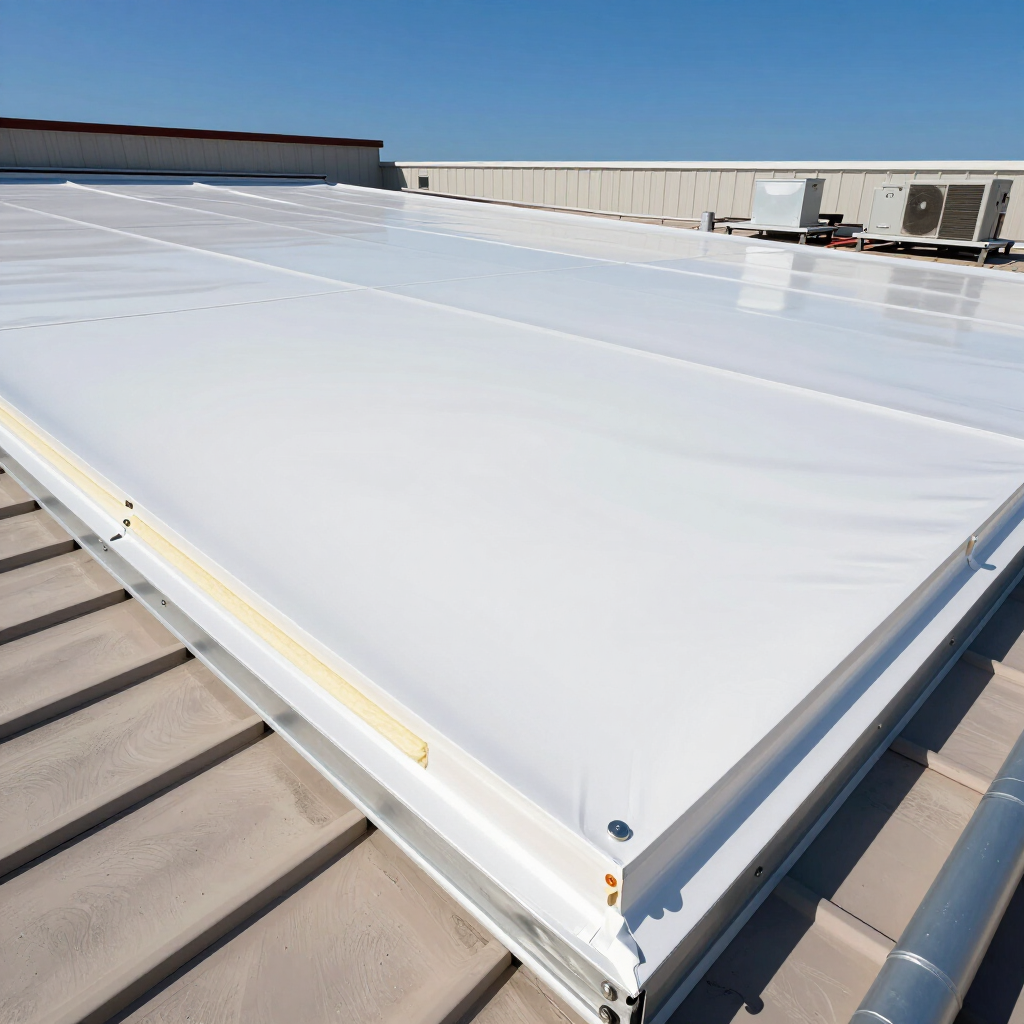
Surface preparation is important. Adhesive products need a suitable surface to bond. Dirt, moisture, loose granules, rust, old sealant, and deteriorated roofing can interfere with adhesion. Material compatibility also matters. Asphalt shingles, TPO membrane, standing seam metal roofing, and other systems require different repair products and methods. A sealant intended for one surface may not bond correctly to another, and some products can affect surrounding materials. Temporary repairs should follow the roofing-system manufacturer's guidance when available.
The size and location of the damage affect performance as well. A small puncture in a stable area is different from an open seam, damaged flashing, ponding area, or broad storm-damaged section. Water pressure, roof slope, foot traffic, drainage, and movement around penetrations can all shorten the patch's life.
Signs the Temporary Patch Is Failing
A failing patch may lift at the edges, crack, blister, separate, sag, or allow renewed water staining indoors. Tarps may flap, loosen at attachment points, develop tears, or hold water in low areas. Roofing cement can shrink or crack, while tape can lose adhesion along its perimeter.
Interior signs are equally important. New drips, expanding ceiling marks, damp insulation, discoloration, or a musty odor can indicate that water is entering again or traveling around the repair. The absence of visible dripping during dry weather does not confirm that the patch remains watertight.
Monitoring should be done from a safe location. Walking on a damaged or wet roof can create a fall hazard and may worsen the affected area.
Temporary Roof Patches in Rush County, Indiana
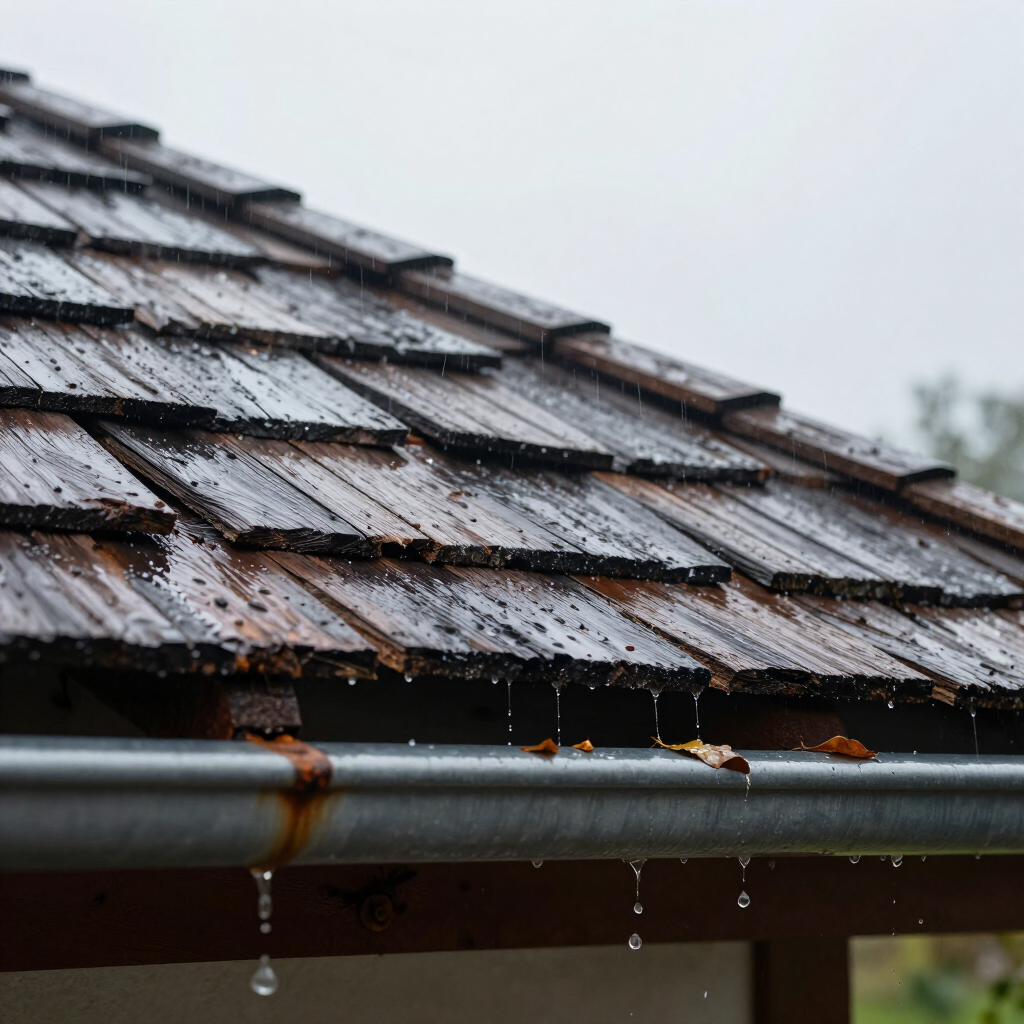
In Rush County, Indiana, wind, storms, temperature changes, snow, and ice can place additional stress on a temporary patch. A material that appears secure after installation may loosen after a strong weather event or after the roof expands and contracts. Seasonal conditions make regular observation especially important.
Property owners in Rush County, Indiana should arrange permanent roof repair while the temporary measure is still performing. Waiting until the patch fails can allow another round of water intrusion and may increase the amount of insulation, decking, or interior material affected.
Common Misconception: A Strong Patch Becomes Permanent
A common misconception is that a thick or well-adhered patch can be left indefinitely. Temporary products may stop today's leak, but they do not always address the damaged flashing, seam, shingle, membrane, or substrate beneath them. Long-term performance requires a repair designed for the roof system and the actual source of the leak.
FAQ
Can a temporary roof patch last six months?
Some patches may perform for several months under favorable conditions, but that duration should not be assumed. Weather, surface condition, material compatibility, and movement can cause earlier failure.
What shortens the life of a roof patch?
Wind, ultraviolet exposure, standing water, temperature changes, wet or dirty surfaces, incompatible materials, poor adhesion, and movement in the damaged area can all shorten performance.
How can I tell whether a tarp has shifted?
Look safely from the ground for loose edges, flapping, sagging, tears, or changed attachment points. Renewed indoor staining or dripping can also indicate that the cover moved.
Should a temporary patch be removed for permanent repair?
Usually, the temporary material must be evaluated and may need removal so the damaged roofing component and surrounding area can be inspected and repaired using the correct system-specific method.
How long does a temporary roof patch last?
A temporary roof patch may last from a few weeks to several months, but no fixed lifespan applies. Material type, surface preparation, installation quality, roof movement, and weather exposure all affect performance. In Rush County, Indiana, the patch should be monitored after storms and replaced with a permanent roof repair as soon as practical.
Conclusion
A temporary roof patch may last from weeks to months, but its lifespan depends on conditions that are difficult to predict. Its purpose is to limit immediate water entry and create time for inspection and permanent repair, not to provide indefinite protection.
Contact CSY Roofing for professional roof repair in Rush County, Indiana. The team can evaluate the temporary patch, locate the underlying problem, and explain the appropriate permanent solution.