Understanding the Life Expectancy of a TPO Roof
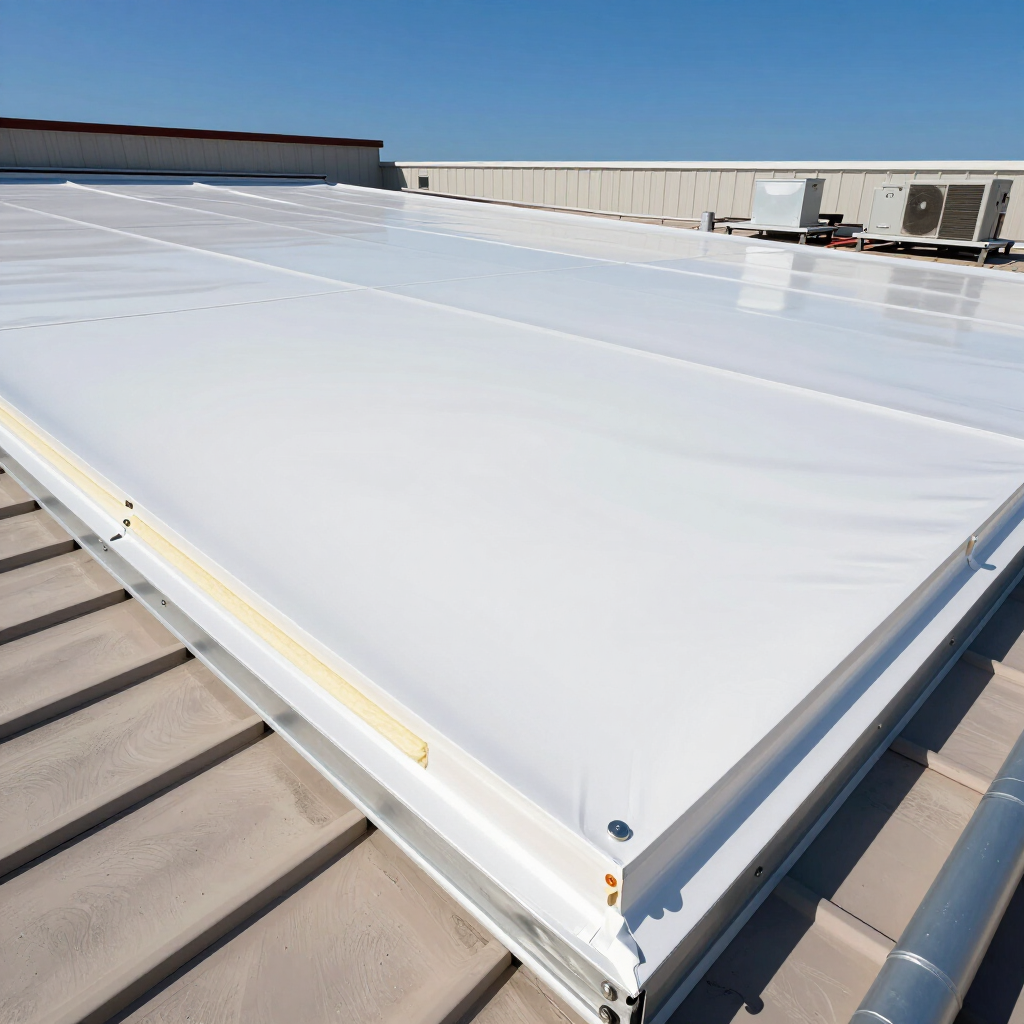
Thermoplastic Polyolefin, commonly known as TPO, is a single-ply roofing membrane widely used on flat and low-slope roofs. It is valued for its durability, energy efficiency, and weather resistance. One of the most common questions property owners ask is, "What is the life expectancy of a TPO roof?"
In general, a standard TPO roof lasts between 15 and 30 years. While that range is broad, several important factors determine where a specific roof falls within it. A professionally installed and well-maintained TPO roof is more likely to reach the higher end of its expected lifespan.
What Factors Affect How Long a TPO Roof Lasts?
Several conditions influence the longevity of a TPO roofing system.
Material Quality
The quality of the roofing materials plays an important role in determining how long a TPO roof lasts. Choosing high-quality TPO materials that are appropriate for the building's needs can help support long-term performance. Combined with professional installation and ongoing maintenance, quality materials help maximize a TPO roof's expected lifespan.
Installation Quality
Proper installation is one of the most important factors affecting the life expectancy of a TPO roof. Correctly welded seams, secure flashing, and careful attention to roof details help create a roofing system that performs as intended. Poor workmanship can lead to premature wear or leaks that shorten the roof's service life.
Regular Maintenance
Routine inspections and timely repairs are essential for maximizing the life of a TPO roof. Addressing minor punctures, monitoring seams, clearing debris, and maintaining proper drainage can help prevent small issues from becoming larger roofing problems.
Climate and Weather Exposure
Although the quality of the materials, installation, and maintenance are the primary factors affecting a TPO roof's lifespan, weather conditions can also influence long-term performance. Exposure to sunlight, temperature fluctuations, heavy rain, wind, and seasonal weather gradually affects roofing materials over time. TPO roofing is designed to withstand a variety of conditions, but the local environment still plays a role in overall roof longevity.
Why Proper Care Can Help Maximize TPO Roof Life
Although every roofing system experiences normal wear over time, ongoing maintenance helps protect your investment. Professional roof inspections make it possible to identify developing concerns before they become more serious.
Preventive maintenance may include examining seams, checking flashing around roof penetrations, removing debris, and ensuring water drains properly from the roof. These proactive measures help keep a TPO roofing system performing as expected throughout its service life.
A TPO Roof Can Deliver Long-Term Performance
A TPO roof's long-term performance depends on more than just the number of years it remains in place. Its lifespan is influenced by the quality of the materials, professional installation, and ongoing maintenance throughout its service life.
Property owners who schedule regular roof inspections and address maintenance needs promptly are better positioned to help their TPO roofing system continue performing as intended for many years.
Local Roofing Considerations in Rush County, Indiana
Property owners throughout Rush County, Indiana experience changing weather conditions throughout the year. Seasonal temperature swings, rain, wind, and other weather events make regular roof inspections an important part of protecting commercial buildings.
Whether a TPO roof is newly installed or has been in service for many years, routine evaluations help identify maintenance needs early. Working with experienced roofing professionals familiar with conditions in Rush County, Indiana can help determine whether a roof requires maintenance, repair, or replacement based on its current condition.
Myth vs. Fact
Myth: A TPO roof will automatically last 30 years.
Fact: While some TPO roofs may approach 30 years of service, actual lifespan varies based on the quality of the materials, installation, ongoing maintenance, and environmental conditions. Regular inspections and proper care help support long-term roof performance.
FAQ
How long does a typical TPO roof last?
Most TPO roofs have an expected lifespan of 15 to 30 years, depending on the quality of the materials, installation, and ongoing maintenance.
What affects the lifespan of a TPO roof?
The quality of the materials, installation, and ongoing maintenance all influence how long a TPO roof lasts. Climate and environmental conditions may also affect its long-term performance.
Can maintenance help extend a TPO roof's life?
Yes. Regular inspections and timely repairs can help maximize the roof's lifespan.
Is TPO roofing suitable for flat roofs?
Yes. TPO roofing is commonly installed on flat and low-slope commercial roofing systems because of its durability and weather-resistant performance.
What is the life expectancy of a TPO roof?
A TPO roof typically lasts 15 to 30 years, depending on the quality of the materials, installation, and ongoing maintenance. Regular inspections and timely repairs can help maximize its lifespan. For commercial properties in Rush County, Indiana, proper maintenance can help keep a TPO roofing system performing as expected.
Conclusion
A standard TPO roof generally lasts between 15 and 30 years, with its longevity influenced by the quality of the materials, installation, ongoing maintenance, and timely repairs. Understanding these factors helps property owners make informed decisions about caring for their TPO roofing system and planning for future roofing needs.
If you have questions about what is the life expectancy of a TPO roof or want a professional evaluation of your roofing system in Rush County, Indiana, contact CSY Roofing. Whether you need roof repair, roof installation, gutter installation, or standing seam metal roofing, our team can evaluate your roof's condition and recommend the appropriate next steps. Visit our website or contact us to schedule a professional roofing inspection.