Understanding the Average Lifespan of a Roof
Most residential roofs are designed to provide reliable protection for many years, but no roofing system lasts forever. While the average lifespan of a roof falls between 15 and 30 years, several factors influence how long it will continue to perform effectively.
The type of roofing material is one of the biggest factors. Some materials naturally last longer than others, while installation quality and ongoing maintenance also play important roles. Even a durable roof can experience a shorter lifespan if it is exposed to severe weather or does not receive routine care.
Knowing the expected lifespan of your roof helps you plan for maintenance, repairs, and eventual replacement before significant problems develop.
What Factors Affect How Long a Roof Lasts?
Several conditions work together to determine how many years a roof will remain in good condition.
Roofing Material
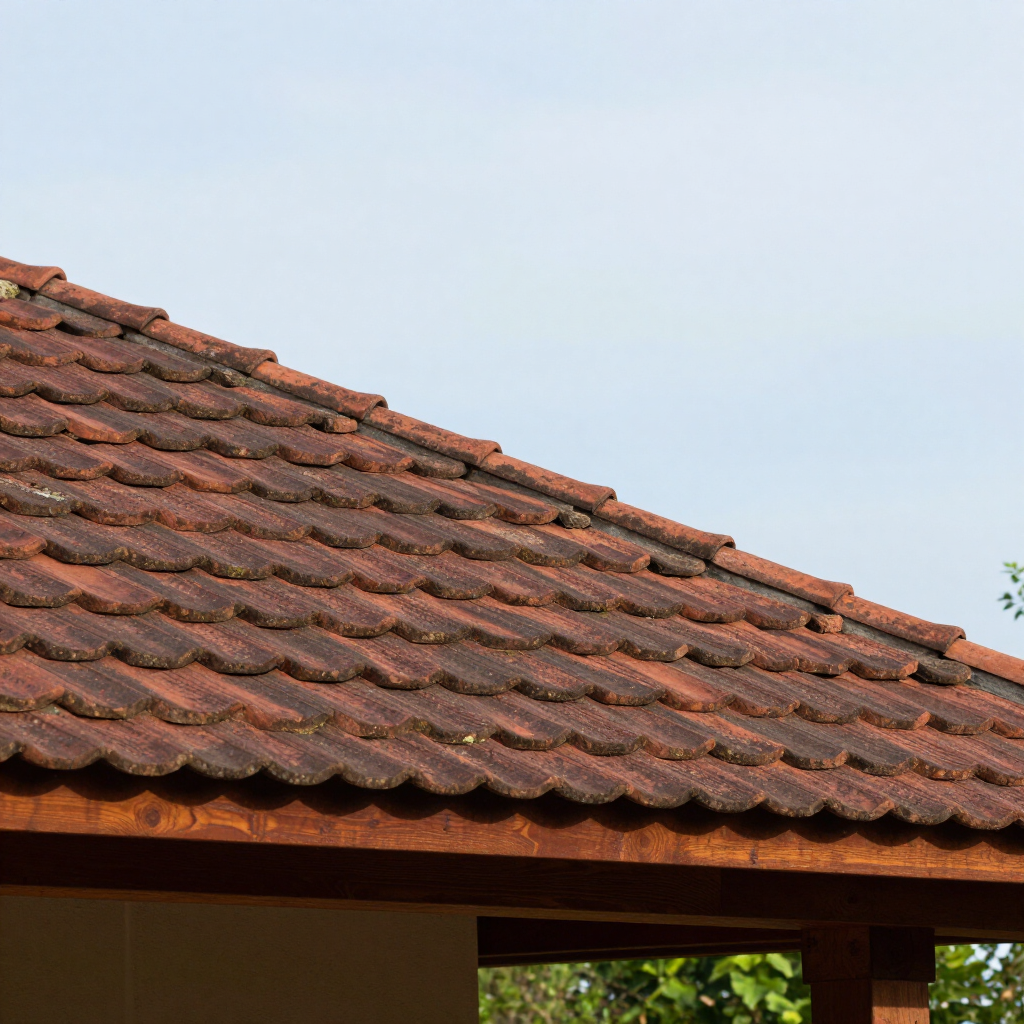
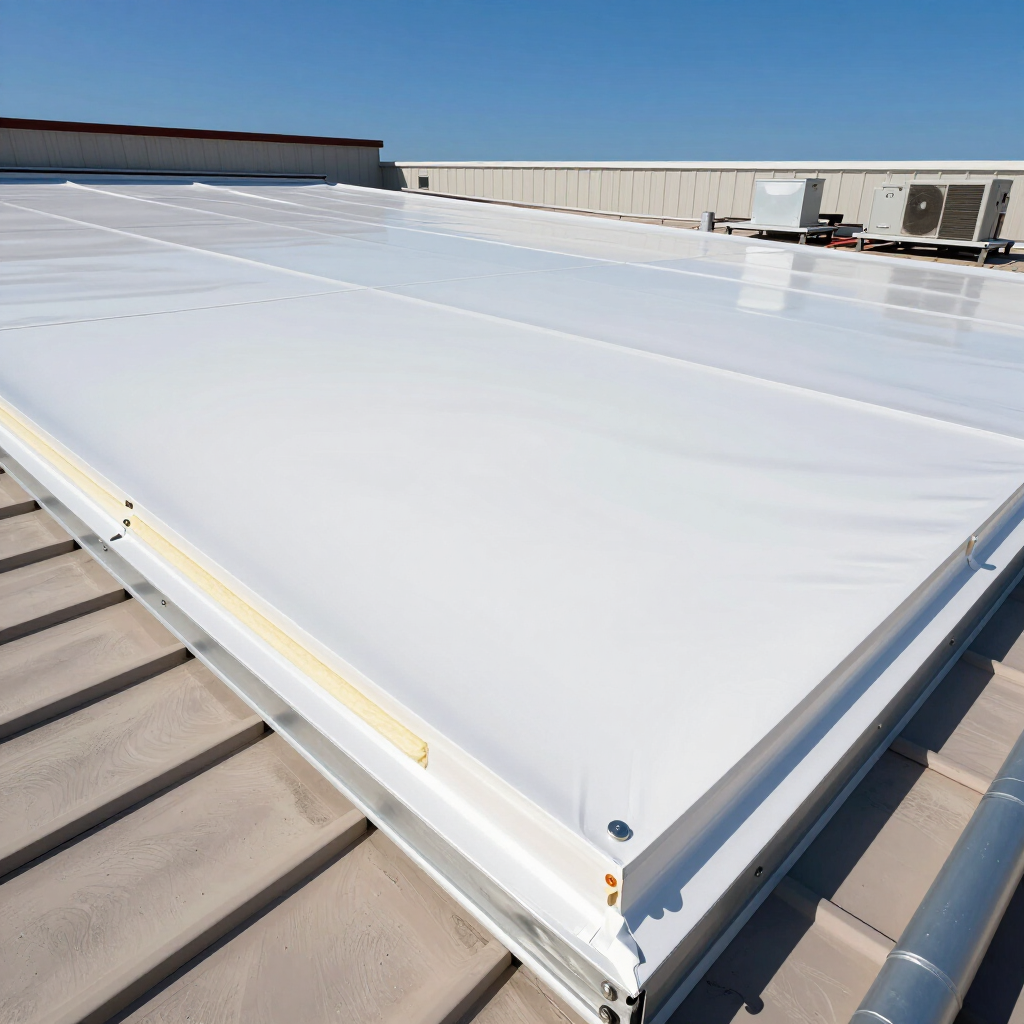
Different roofing materials have different expected service lives. Asphalt shingles generally fall within the common 15 to 30-year range, while other roofing systems may last longer depending on their design and construction.
Installation Quality
A professionally installed roof is more likely to perform as intended. Proper installation helps ensure materials are secured correctly, flashing is installed where needed, and water is directed away from vulnerable areas.
Weather Exposure
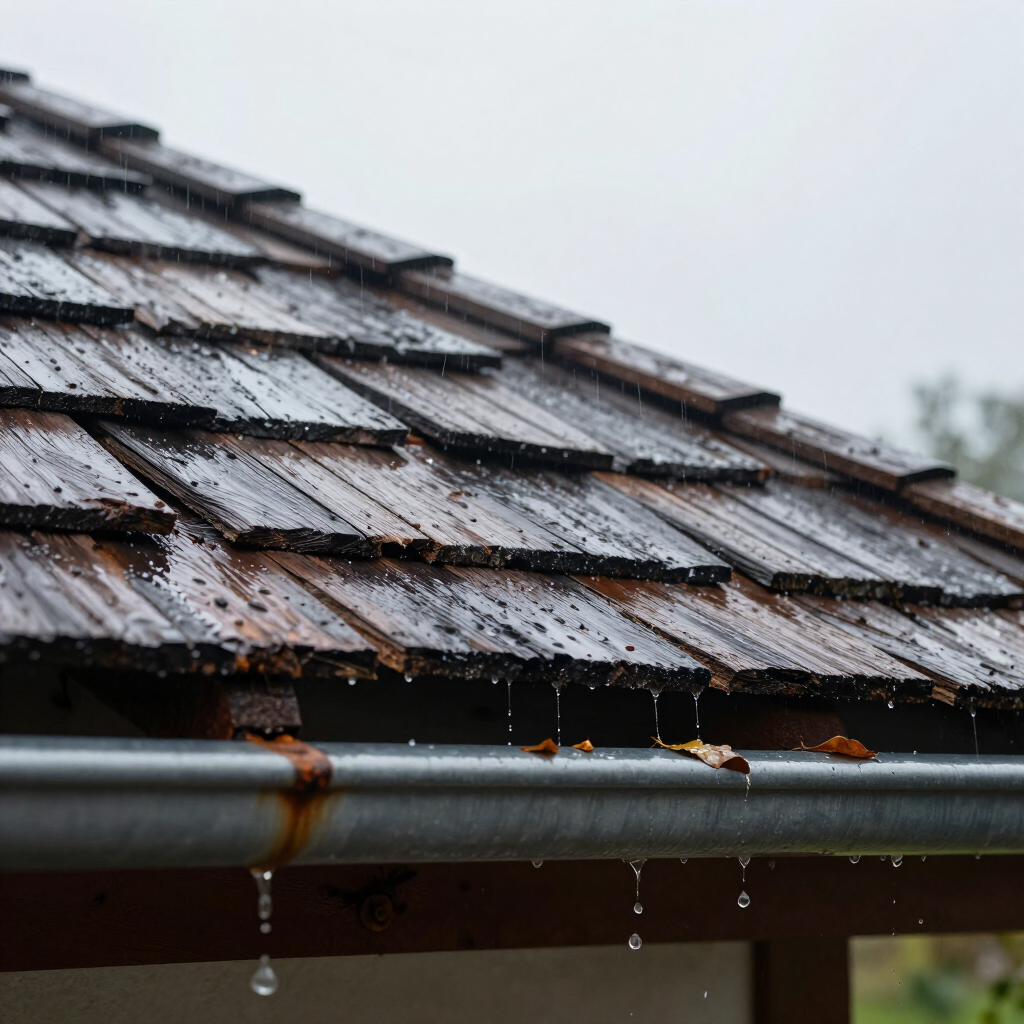
Roofs are constantly exposed to changing weather conditions. Heavy rain, wind, hail, snow, and prolonged sunlight all contribute to normal wear over time. The amount of weather exposure a roof experiences can influence how quickly it ages.
Maintenance
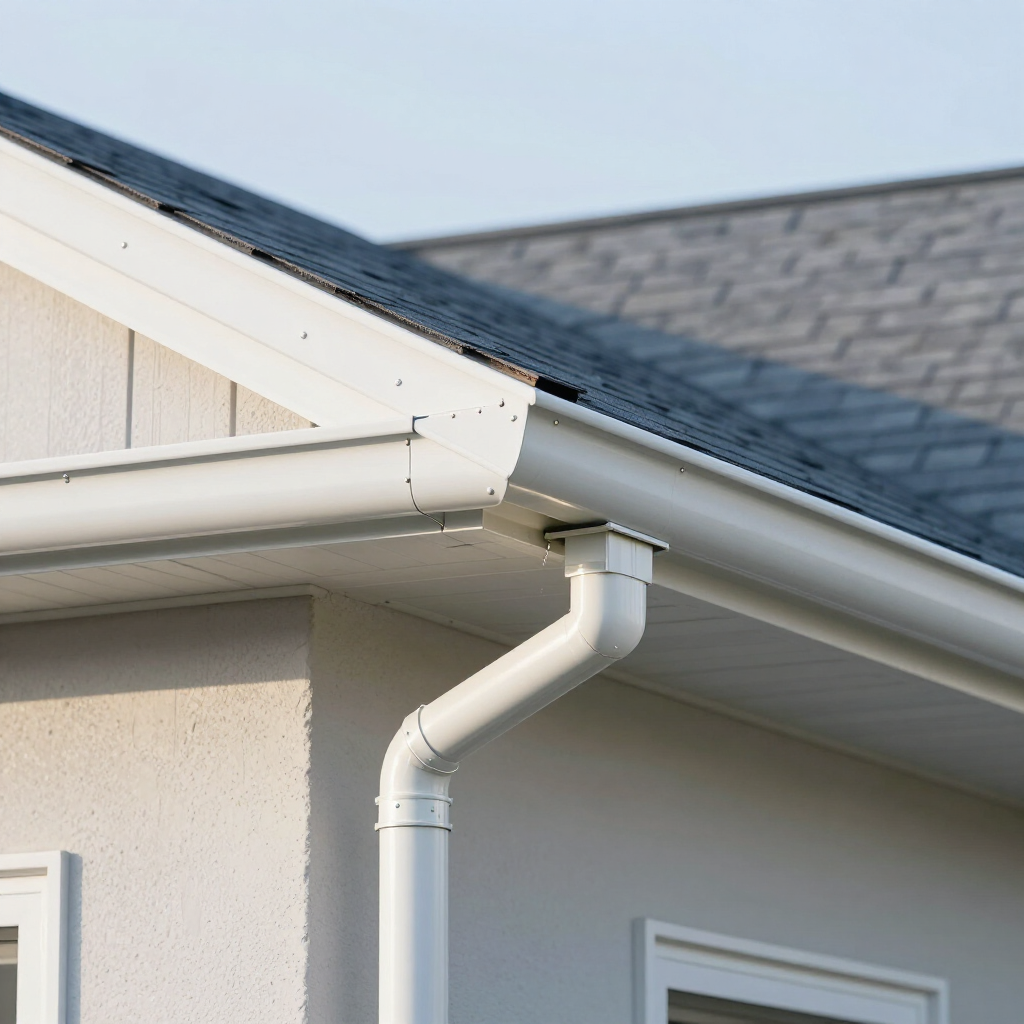
Routine roof inspections and prompt roof repair help address small issues before they become larger problems. Keeping gutters clear and correcting minor damage early can help extend the overall lifespan of the roofing system.
How Can You Tell When a Roof Is Nearing the End of Its Lifespan?
A roof that is approaching the end of its expected lifespan may begin showing visible signs of aging. While every roof ages differently, common indicators include damaged or missing shingles, worn roofing materials, recurring leaks, or other signs of deterioration.
If your roof is approaching 15 to 30 years old, scheduling regular inspections becomes increasingly important. A professional assessment can help determine whether roof repair is appropriate or whether roof installation may eventually be the better long-term solution.
Rather than relying on age alone, evaluating the overall condition of the roof provides a clearer picture of its remaining service life.
Why Roof Lifespan Matters for Homeowners in Rush and Decatur Counties, Indiana
Homeowners in
Rush and Decatur Counties, Indiana experience seasonal weather that places year-round demands on their roofing systems. Because changing weather can gradually wear roofing materials, understanding the average lifespan of a roof helps homeowners make informed maintenance decisions.
Regular inspections and timely roof repairs can identify developing issues before they lead to more extensive damage. For homeowners throughout
Rush and Decatur Counties, staying proactive helps protect both the roof and the home beneath it.
Whether your roof is relatively new or approaching the later years of its expected lifespan, monitoring its condition helps you prepare for future maintenance or replacement when the time comes.
Myth vs. Fact: A Roof Always Needs Replacement Once It Reaches 20 Years
A common misconception is that every roof must be replaced immediately after reaching a certain age.
In reality, roof age is only one factor. Some roofs remain in good condition beyond 20 years with proper maintenance, while others may require attention sooner because of weather exposure, installation quality, or damage. The overall condition of the roofing system is more important than age alone.