Replacing a roof is one of the most significant projects a homeowner can undertake, both in terms of cost and impact on the overall structure of a property. While it may seem like a complex and disruptive process, understanding what to expect can make the experience far more manageable. A well-planned roof replacement ensures that your home remains protected, efficient, and visually appealing for years to come.
Every roofing project is unique, influenced by factors such as the home's size, the materials selected, and the condition of the existing structure. Even so, most projects follow a consistent process from preparation through completion. Working with experienced professionals helps ensure that each phase is handled correctly and efficiently.
According to HomeGuide, most projects are typically completed within one to three days, although timelines can extend depending on weather conditions, job complexity, or accessibility challenges. This timeframe highlights how efficient a roof replacement can be when properly managed. Understanding each stage of the process helps homeowners prepare for what lies ahead and ensures that expectations align with reality.
Preparing the Property Before Installation
Clearing Surrounding Areas
Before any work begins, preparation is essential to protect the property and ensure a smooth workflow. Outdoor furniture, vehicles, and other items near the home are typically moved or covered to prevent damage. This step creates a safe and accessible environment for the roofing crew to perform their work efficiently during the roof replacement process.
Protecting Landscaping Features
Landscaping elements such as plants, shrubs, and garden beds may be shielded with protective coverings. This precaution helps prevent debris from damaging delicate features and ensures that the surrounding environment remains intact throughout the project.
Coordinating Access Points
Roofing teams need clear access to the home to transport materials and equipment. Establishing designated entry and exit points helps maintain organization and minimizes disruption to daily activities. Clear pathways also help improve safety for both workers and residents throughout the project.
Setting Project Expectations
Clear communication with the roofing team ensures that homeowners understand the timeline, scope of work, and any temporary inconveniences. This alignment helps reduce uncertainty and supports a more seamless roof replacement experience. Having a clear understanding of expectations allows homeowners to plan accordingly and feel more comfortable throughout the process.
Removing the Existing Roofing System
Stripping Old Materials
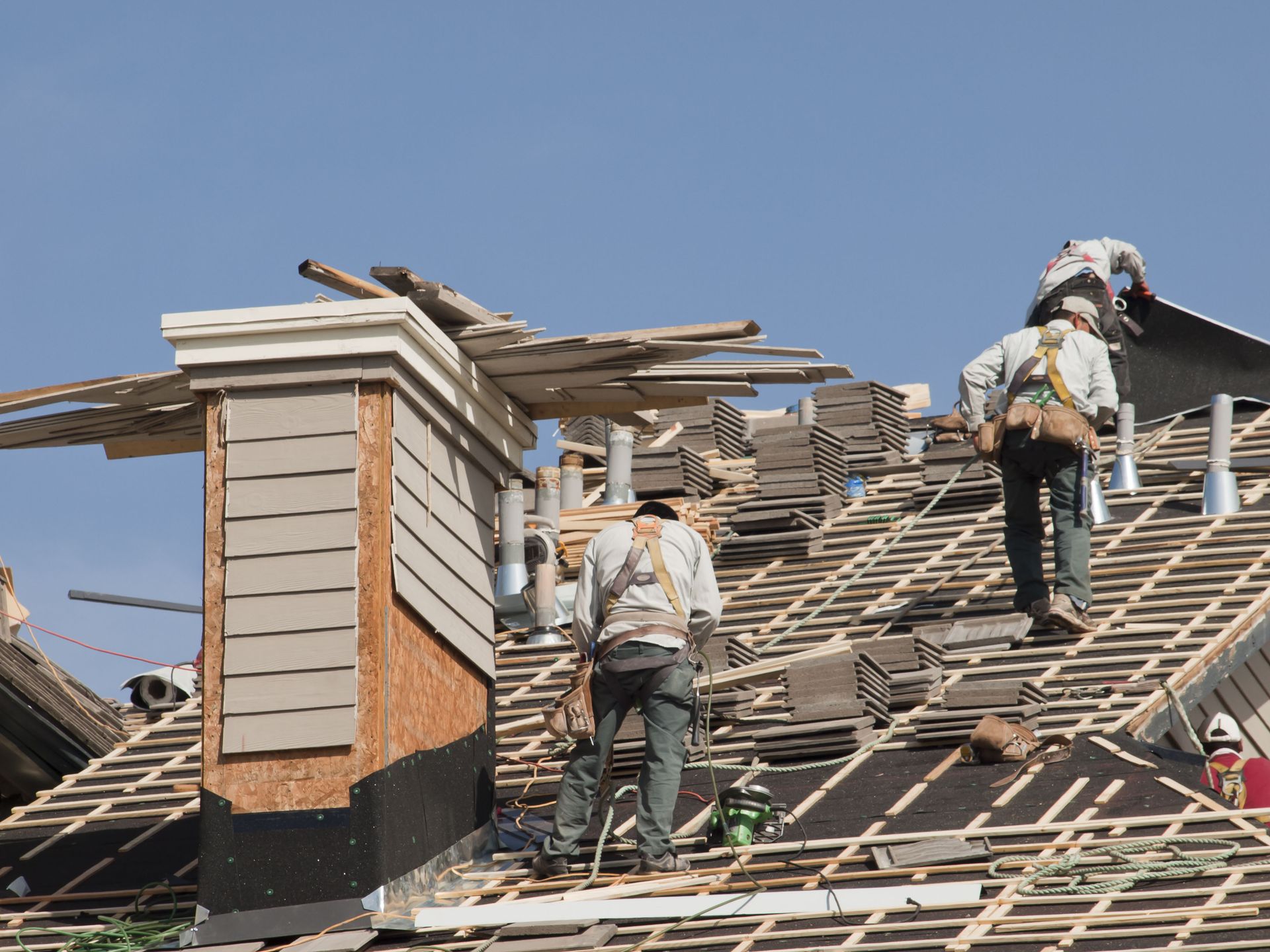
The first major step in the project involves removing the existing roofing materials. Shingles, underlayment, and other components are carefully stripped away to expose the roof deck. This process allows contractors to assess the underlying structure and prepare for the next phase of the roof replacement. Removing old materials also ensures that the new system is installed on a clean and stable surface.
Inspecting the Roof Deck
Once the old materials are removed, the roof deck is thoroughly inspected for damage or deterioration. Identifying issues at this stage ensures that any necessary repairs are completed before new materials are installed. This careful inspection helps prevent future problems and supports long-term durability.
Addressing Structural Concerns
If any areas of the deck are weakened or compromised, they are repaired or replaced to restore structural integrity. This step is critical for ensuring that the new roof performs effectively over time. Addressing these concerns early helps avoid complications after installation is complete.
Managing Debris Removal
All removed materials are collected and disposed of properly. Keeping the worksite clean helps maintain safety and organization throughout the roof replacement process. Efficient debris removal also reduces hazards and keeps the project moving smoothly.
Installing New Roofing Components
Applying Underlayment Materials
The installation phase begins with the application of underlayment, which provides an additional layer of protection against moisture. This barrier is essential for enhancing the durability of the new roof. It also serves as a backup defense in case of extreme weather conditions.
Installing Flashing Systems
Flashing is installed around key areas such as chimneys, vents, and valleys to prevent water infiltration. Proper installation ensures that these vulnerable points remain secure during the roof replacement. This step plays a major role in preventing leaks and protecting interior spaces.
Laying New Roofing Materials
Shingles or other roofing materials are carefully placed according to the manufacturer's specifications. This step requires precision and expertise to ensure consistent coverage and long-term performance. Proper placement also contributes to the overall visual appeal of the finished roof.
Ensuring Proper Alignment
Accurate alignment of materials contributes to both the appearance and functionality of the roof. Professional installation ensures that the finished product is both visually appealing and structurally sound. Attention to detail during this phase helps ensure the roof performs reliably for years to come.
Enhancing Ventilation and Insulation
Improving Airflow Systems
Proper ventilation is essential for maintaining a healthy roofing system. During a roof replacement, ventilation components may be upgraded or adjusted to improve airflow and reduce heat buildup. This helps protect the roofing materials and maintain consistent indoor conditions.
Supporting Temperature Regulation
Effective ventilation helps regulate indoor temperatures by allowing heat and moisture to escape. This contributes to a more comfortable living environment and supports energy efficiency. Balanced airflow can also reduce strain on HVAC systems.
Preventing Moisture Accumulation
Excess moisture can lead to mold growth and structural damage. Addressing ventilation during the project helps prevent these issues and extends the lifespan of the roof. Maintaining proper moisture levels is essential for long-term structural health.
Enhancing Overall Efficiency
Improved insulation and ventilation work together to optimize energy use. These enhancements are an important part of a comprehensive roof replacement strategy. Better efficiency can also contribute to lower energy costs over time.
Conducting Final Inspection and Cleanup
Reviewing Installation Quality
Once the installation is complete, a thorough inspection is conducted to ensure that all components have been installed correctly. This step confirms that the roof meets quality standards. It also ensures that no details have been overlooked during installation.
Checking Structural Integrity
The roofing team evaluates the overall structure to ensure that it is secure and capable of withstanding environmental conditions. This final check is essential for long-term performance. It provides reassurance that the system is built to last.
Cleaning the Worksite
All debris and materials are removed from the property, leaving the area clean and organized. This attention to detail ensures that the property is restored to its original condition. A clean worksite also reflects professionalism and care.
Ensuring Homeowner Satisfaction
Final walkthroughs provide an opportunity to address any questions or concerns. This step ensures that homeowners are fully satisfied with the completed roof replacement. It also allows for clear communication about maintenance and expectations moving forward.
Understanding Post-Installation Expectations
Monitoring Initial Performance
After the project is complete, homeowners may notice improvements in comfort and energy efficiency. Monitoring the roof’s performance helps ensure that everything is functioning as expected. Early observation can help identify any minor concerns quickly.
Recognizing Normal Adjustments
New roofing materials may settle slightly over time as they adjust to environmental conditions. This is a normal part of the process and does not indicate a problem. Understanding this helps prevent unnecessary concern after installation.
Maintaining Long-Term Care
Regular inspections and maintenance help preserve the integrity of the new roof. Ongoing care ensures that the investment continues to deliver value over time. Consistent attention helps extend the lifespan of the system.
Supporting Lasting Protection
A properly installed roof provides reliable protection against the elements. This stability is one of the most important outcomes of a successful roof replacement. Long-term protection helps safeguard both the structure and the people inside it.
Understanding what to expect during a roofing project helps homeowners approach the process with confidence and clarity. From preparation and material removal to installation and final inspection, each stage plays a critical role in achieving a durable and effective result. A well-executed project not only protects the home but also enhances its overall value and appearance.
By working with experienced professionals and staying informed throughout the process, homeowners can ensure a smooth and successful outcome. Proper planning and attention to detail help minimize disruptions and maximize long-term performance. This approach ultimately leads to greater satisfaction and peace of mind.
If you’re ready to begin your roofing project and want reliable guidance every step of the way, contact CSY Roofing today to learn how a professional
roof replacement can protect your home and deliver lasting peace of mind.